
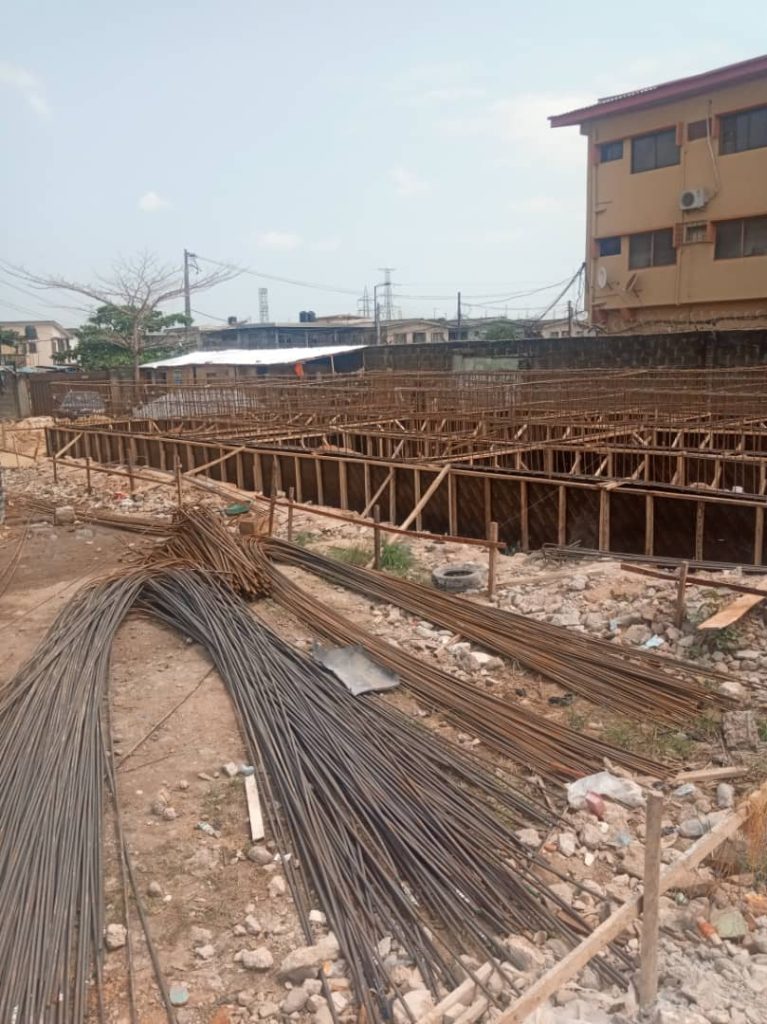
Constructing a home in Nigeria is a significant milestone that involves careful planning, budgeting, and choosing the right materials and services. With Nigeria’s growing population and dynamic housing market, many homeowners seek trusted partners to guide them through the complex process of residential construction. Whether building a modest family home or a luxury villa, understanding the essentials can save time, money, and stress.
This article explores critical aspects of residential building projects in Nigeria, providing answers to some of the most frequently asked questions. For professional assistance, Stable Domes, a leading provider of residential building services in Nigeria, offers expert support from design to completion.
Understanding Residential Construction in Nigeria
Residential building in Nigeria ranges from single-family houses to multi-unit apartments and gated estates. The diversity of architectural styles and materials reflects the country’s rich cultural heritage and varied climate zones.
Navigating the construction process requires knowledge about the types of homes available, the costs involved, and the most durable building materials. This knowledge is vital for making informed decisions that ensure long-lasting, comfortable, and affordable housing.
How Much Does Building a House Cost in Nigeria?
One of the first questions prospective homeowners ask is about the overall cost of building a house in Nigeria. The answer depends on several factors:
- Size and Design: Larger homes with complex designs naturally cost more. A basic two-bedroom bungalow is more affordable than a multi-story mansion with luxury finishes.
- Location: Construction costs vary by region. Urban centers like Lagos and Abuja tend to have higher prices for labor and materials compared to rural areas.
- Materials: The choice between premium and locally sourced materials affects the budget considerably.
- Labor: Skilled labor rates fluctuate depending on the project scope and location.
- Regulations and Permits: Legal fees and compliance costs must be factored in.
On average, building a standard residential home in Nigeria can range from ₦15 million to ₦50 million or more, depending on these variables. It is essential to get detailed quotations and project plans from reputable builders like Stable Domes, who provide transparent pricing and expert advice tailored to individual budgets.
What Are the Types of Residential Buildings in Nigeria?
Residential buildings in Nigeria come in various forms, each suited to different family sizes, lifestyles, and budgets:
1. Detached Bungalows
A common choice for suburban and rural areas, detached bungalows are single-story homes that offer privacy and ample outdoor space. They are cost-effective and simpler to build, making them popular among middle-income families.
2. Duplexes
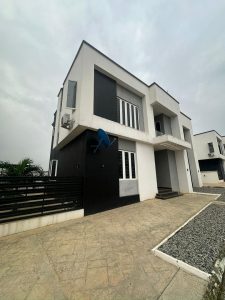
Duplexes consist of two floors, usually with separate living areas on each level. This style is popular in urban neighborhoods where land is limited but families want more living space. Duplexes are more expensive than bungalows but offer greater flexibility.
3. Apartments and Flats
Multi-unit apartment buildings are common in metropolitan areas, providing housing for multiple families within a single structure. These buildings require specialized construction techniques and often involve complex project management.
4. Townhouses
Townhouses are attached homes that share walls with neighboring units. They combine the privacy of a detached house with the space efficiency of apartments. These are increasingly popular in gated communities.
What’s the Strongest Material to Build a House?
Durability and structural integrity are crucial for homes in Nigeria, given the climate and environmental conditions. Some of the strongest and most commonly used building materials include:
1. Concrete
Concrete is the most popular material for residential construction in Nigeria. It offers excellent strength, fire resistance, and durability. When reinforced with steel bars (reinforced concrete), it withstands heavy loads and harsh weather.
2. Brick and Block
Clay bricks and concrete blocks are widely used for walls. They provide good insulation and structural stability when properly manufactured and installed.
3. Steel
Used mainly for reinforcement and roofing structures, steel adds strength and flexibility to building frameworks. It is particularly valuable in multi-story buildings.
4. Stone
In some regions, natural stone is used for foundations and walls due to its robustness and aesthetic appeal.
Choosing the right materials depends on the building design, budget, and local availability. A professional builder like Stable Domes can recommend the best options to ensure strength without unnecessary expense.
How Can the Cost of Building a House in Nigeria Be Reduced?
Building a home is a significant investment, but costs can be managed effectively through careful planning:
1. Detailed Planning and Design
Avoiding last-minute design changes saves time and money. Engaging architects and engineers early ensures a practical, budget-conscious plan.
2. Use of Locally Sourced Materials
Sourcing materials locally reduces transportation costs and supports the local economy. Many quality materials are available within Nigeria at competitive prices.
3. Phased Construction
Building the house in phases allows homeowners to spread costs over time without compromising quality.
4. Hiring Reputable Builders
Choosing experienced construction companies like Stable Domes helps avoid costly mistakes, project delays, and quality issues.
5. Energy-Efficient Designs
Incorporating energy-saving features reduces long-term operational costs, such as solar water heaters, proper insulation, and natural ventilation.
Why Choose Professional Residential Building Services?
Engaging a professional construction company brings multiple benefits:
- Expertise: Skilled teams handle design, procurement, and construction efficiently.
- Quality Assurance: Professionals adhere to building codes and safety standards.
- Project Management: Timely delivery and budget control prevent unexpected costs.
- Customer Support: Transparent communication ensures client satisfaction at every stage.
Companies like Stable Domes combine local knowledge with modern construction techniques to deliver homes that meet international standards.
Conclusion
Building a home in Nigeria requires thoughtful decisions on design, materials, budget, and construction partners. Understanding the types of residential buildings, costs involved, and how to reduce expenses can help aspiring homeowners realize their dream without unnecessary hurdles.
For reliable and professional residential building services in Nigeria, Stable Domes offers expert guidance and comprehensive support, ensuring your project is completed on time, within budget, and to the highest standards.
Contact Stable Domes today to discuss your residential building needs and start building your dream home with confidence.